Artificial intelligence is changing how businesses research, communicate, create content, analyze information, and serve customers. But using an AI tool and understanding how AI works are not the same thing.
AI literacy means knowing enough to make informed decisions about when, where, and how to use artificial intelligence. It includes understanding what AI can do well, recognizing its limitations, evaluating the information it produces, and considering issues such as accuracy, privacy, bias, and responsible use.
Digital Learning Week, an initiative of the United Nations Educational, Scientific and Cultural Organization (UNESCO), takes place September 8–11 and focuses this year on “Education in the age of AI.” The observance is a timely reminder that professionals need more than casual experience with AI tools. They need a practical foundation that helps them use those tools with purpose and sound judgment.
Micro-Lesson: Use the TASK Check Before Using AI
Before turning to an AI tool, pause and apply this four-part check:
T — Target the business need.
Identify the specific outcome you need. “Help me with marketing” is vague. “Generate five subject-line ideas for a fall workshop targeting small-business owners” gives the tool a clearer purpose.
A — Assess whether AI is appropriate.
AI may be useful for brainstorming, summarizing, organizing, or producing a first draft. It should not independently make sensitive legal, financial, employment, or customer-related decisions.
S — Safeguard your information.
Before entering content into an AI tool, consider whether it contains confidential business information, personal data, intellectual property, or details you do not have permission to share.
K — Keep a human in the loop.
Review the output for accuracy, bias, tone, context, and alignment with your brand. AI can produce information that sounds credible but is incomplete, misleading, or incorrect. You remain responsible for the final result.
Try the TASK Check the next time you use AI for an email, report, presentation, marketing campaign, or customer communication. This brief pause can help you choose the right tool, provide better direction, and avoid preventable mistakes.
That is the difference between merely using AI and developing AI literacy.
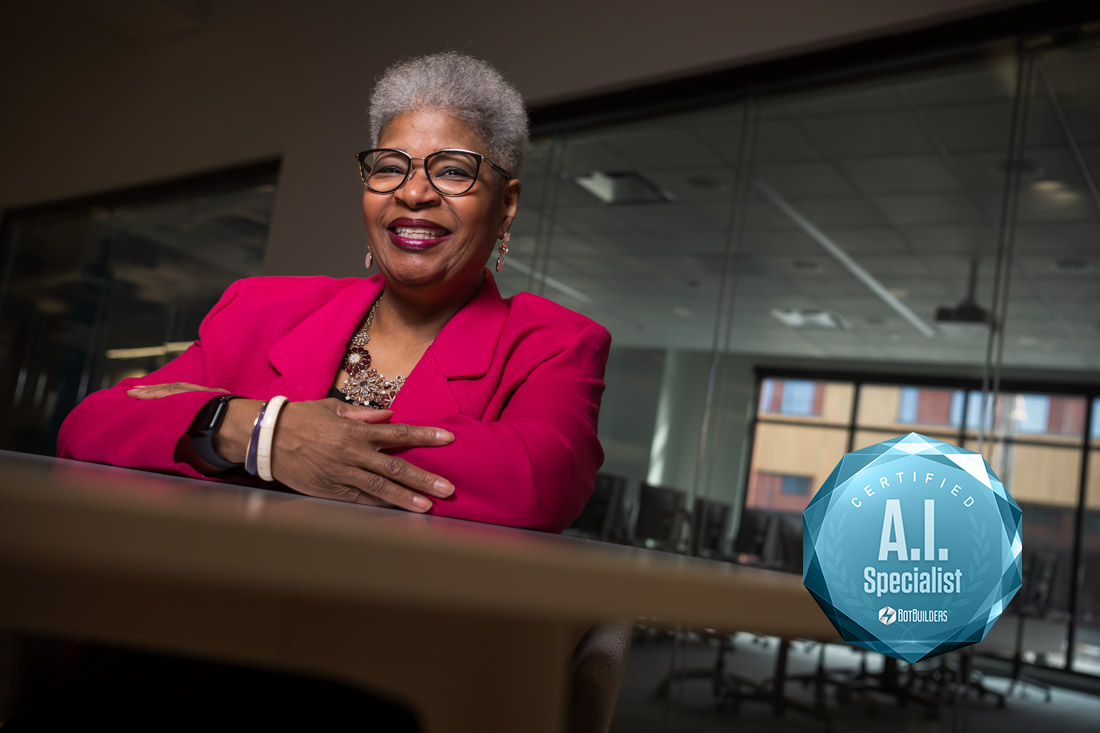
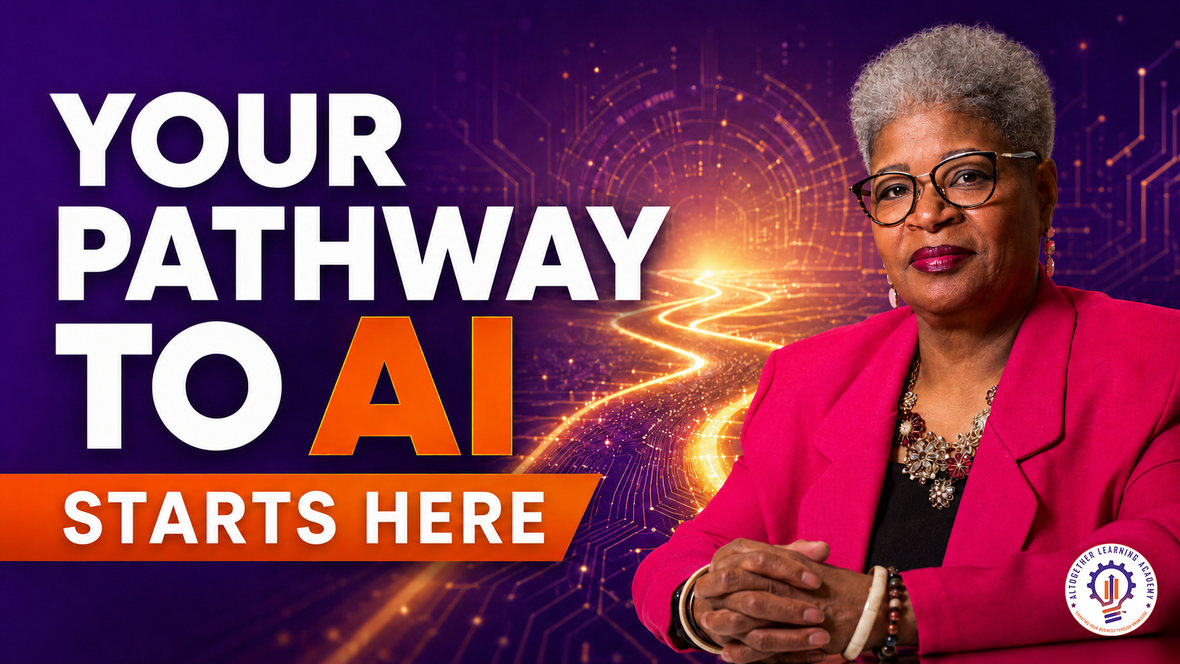
On September 10, I’m presenting Artificial Intelligence for Business Professionals, a half-day course designed to help business professionals build this foundation—without requiring a technical background.
Participants will gain greater clarity about essential AI concepts, common business applications, and the considerations that should guide responsible use. The goal is not simply to learn how to operate another tool. It is to become better prepared to evaluate AI, ask stronger questions, and make informed decisions about where it belongs in your work.
Technology should serve your purpose, not replace your presence.
Learn more and register for Artificial Intelligence for Business Professionals.