Logo CYWY
 
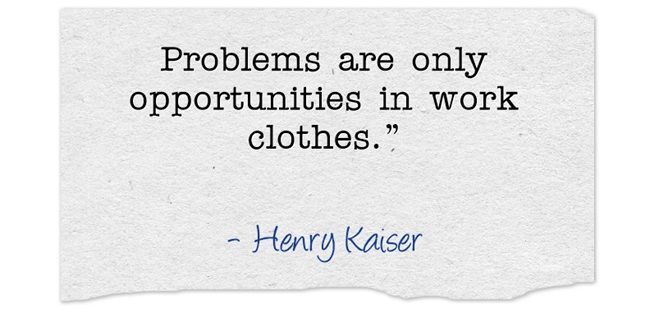
Problems

Thank you for being part of the CYWY online community.

To unsubscribe, click here.

Shifting Perspective

Shifting perspectives refers to intentionally changing the way you interpret situations, thoughts, or experiences, a process supported by cognitive‑behavioral principles and practical mindset‑shifting strategies such as reframing, mindfulness, and examining alternative explanations.

Psychology research shows that the same situation can feel entirely different depending on your internal state and interpretive lens.

This concept is central to what is being explored in the 100-day Creativity Challenge. The challenge often demonstrates that we can use our imagination and creativity to shift our thoughts and influence how we use emotions and reactions.

Shifting perspective involves recognizing that your first interpretation is not always the only or most accurate one.

Why Awareness Matters

▪ Helps reduce automatic negative thoughts.
▪ Supports emotional regulation and resilience.
▪ Encourages more balanced, flexible thinking.
▪ Opens space for healthier reactions and improved relationships.
▪ Helps reduce automatic negative thoughts.
▪ Supports emotional regulation and resilience.
▪ Encourages more balanced, flexible thinking.
▪ Opens space for healthier reactions and improved relationships.

Evidence‑Based Ways to Shift Perspective

▪ Reframe Your Thoughts -
Notice habitual negative interpretations and consciously reinterpret them in a more balanced way.
▪ Practice Mindful Awareness - Pausing (a core invitation in the Empowered Living book) creates a pause between stimulus and response, allowing more intentional choices.
▪ Consider Alternative Explanations - Instead of assuming the worst, explore multiple possible reasons for someone’s behavior or a situation.
▪ Identify Fixed vs. Growth Mindset Patterns - Recognize when you’re interpreting events through a limiting lens and shift toward a growth‑oriented view.
▪ Challenge Cognitive Biases - Become aware of biases that shape your interpretations and actively question them.
▪ Reframe Your Thoughts -
Notice habitual negative interpretations and consciously reinterpret them in a more balanced way.
▪ Practice Mindful Awareness - Pausing (a core invitation in the Empowered Living book) creates a pause between stimulus and response, allowing more intentional choices.
▪ Consider Alternative Explanations - Instead of assuming the worst, explore multiple possible reasons for someone’s behavior or a situation.
▪ Identify Fixed vs. Growth Mindset Patterns - Recognize when you’re interpreting events through a limiting lens and shift toward a growth‑oriented view.
▪ Challenge Cognitive Biases - Become aware of biases that shape your interpretations and actively question them.

What will you do with the information you just read? I hope to see you on Zoom; where you are invited to explore how to turn your challenges into opportunities - we take the path together.

This Week's Events

▪  100-day Creativity Challenge
▪ Yoga-Mon 11/1 10-11:30 AM MST
▪ Yoga-Wed 11/4 10-11:30 AM MST
▪ Yoga-Thurs 11/5 4:30-6:00 PM MST
▪ Yoga-Fri 11/6 4:30-6 PM MST
▪ Good Grief-Sat 11/7 10-11:30 AM MST
▪ 100-day Creativity Challenge
▪ Yoga-Mon 11/1 10-11:30 AM MST
▪ Yoga-Wed 11/4 10-11:30 AM MST
▪ Yoga-Thurs 11/5 4:30-6:00 PM MST
▪ Yoga-Fri 11/6 4:30-6 PM MST
▪ Good Grief-Sat 11/7 10-11:30 AM MST

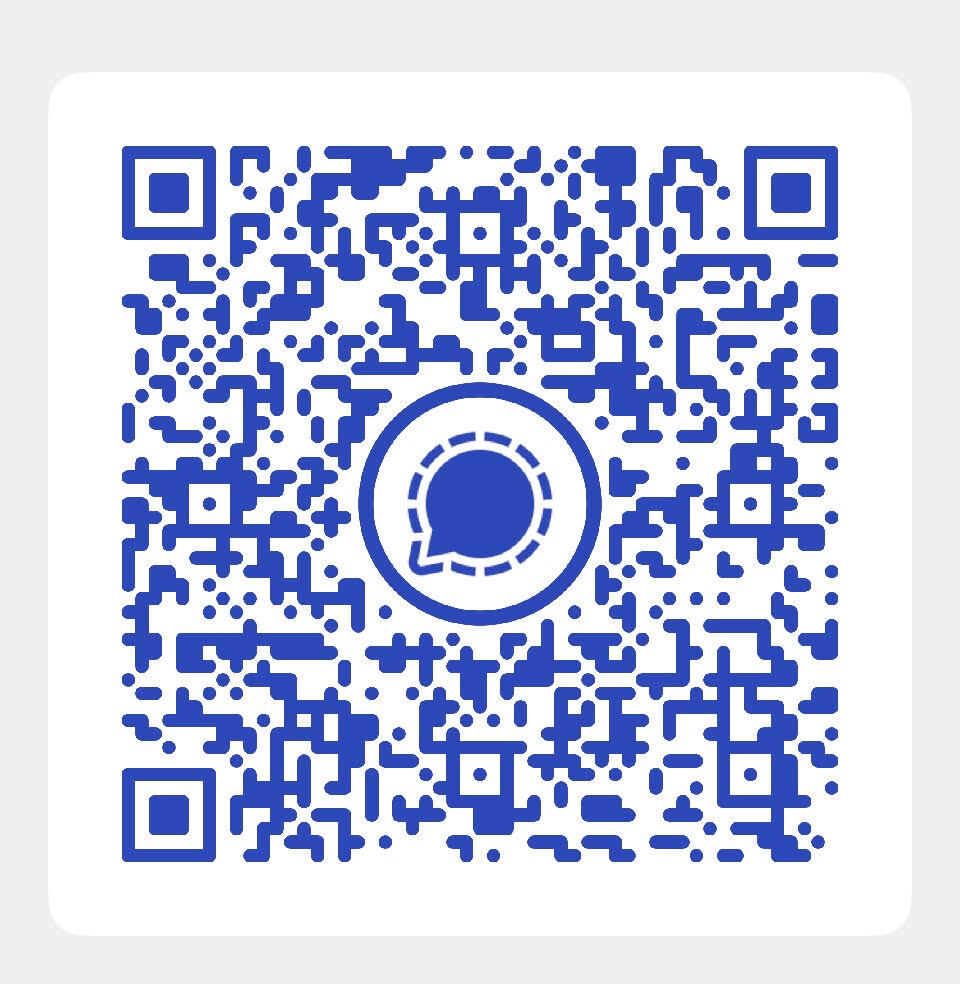
QR Code for Createtivity Challenge

Watch the first prompt by clicking on image

Creativity Challenge

Now through January 19th

Use the QR code to join!

▪ Break out of your routine - try something new.
▪ Jump-start your imagination!
▪ Get your creative juices flowing.
▪ Learn new skills and techniques.
▪ Become more versatile in your approach to life.
▪ Make new friends, build relationships, and create networking opportunities - share what you are creating!
▪ Break out of your routine - try something new.
▪ Jump-start your imagination!
▪ Get your creative juices flowing.
▪ Learn new skills and techniques.
▪ Become more versatile in your approach to life.
▪ Make new friends, build relationships, and create networking opportunities - share what you are creating!

Or reach out to me with your cell number.. Hosted on Signal.

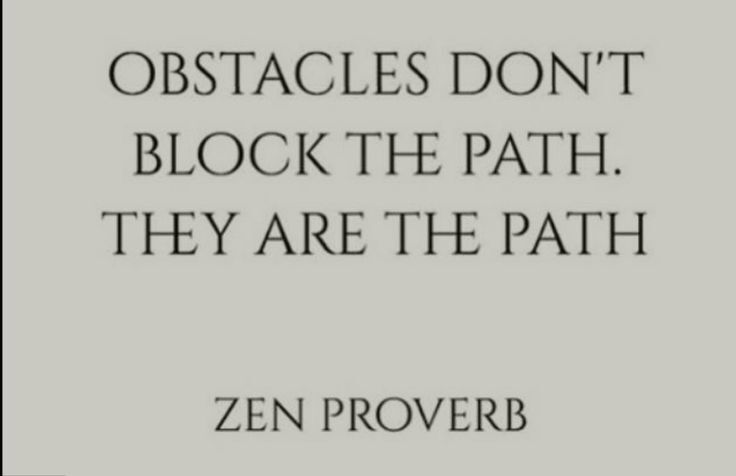
Obstacles

I am excited to do yoga with you!!

Intentional Yoga

Yogic philosophy offers Antarayas, each explain a specific block that holds us back in life and in our practices.

Understanding and facing each one opens doorways for self-awareness, understanding, and self-compassion.

When you hear your ego sharing, "I can't do that!, the Antarayas remind you of the power in a perception shift. What would happen if you asked, "What can I do today?

The nine main Antarayas are described as:

Vyadhi – Illness, disease, physical or mental. It is difficult to do yoga if you are physically sick. Thus it is important to lead a healthy lifestyle for the prevention of illness and promotion of optimal health.

Styana – Apathy, disinclination towards performing one’s kartavya or duty. By procrastinating, we avoid our practice and create excuses for not being on the path and doing the work.

Sanshaya – doubting one’s capability or the result of yoga. We can only come to know Reality, declares the Brihad-Âranyaka-Upanishad (4.4.23), when we are free from doubt. It is important to cultivate faith in oneself as well as the yogic path.

Pramada – Heedlessness, carelessness, a lack of persistence. Yoga is both a science and art, and approaching it without skill, care, respect, and devotion will create erratic and possible negative results.

Alasya – Sloth, inertia of mind or body due to dominance of the tamasic element. Yoga requires discipline, zeal, and tapas (will-power) to succeed on its path. Laziness will prevent you from attaining your highest potential.

Avirati – Overindulgence, attachment to pleasurable things. We must learn to “let go” of our attachments to desire and physical objects if we are to make progress in yoga.

Bhrantidarshan – False vision, a premature sense of certainty. The development of a false notion about the practice of yoga and its outcome can not only lead one off the path of yoga, but also create harm and disappointment.

Alabdha-bhumikatva – Non-attainment of the next yogic stage or accomplishment. This happens due to faulty or poor practice and creates a feeling of being “stuck” and leads to discouragement.

Anawasthitatwa – Instability, non-permanence of a yogic accomplishment or stage. Not being able to maintain an attained stage can be a real drag. This again can be a result of faulty or poor practice.

The four minor Antarayas are described as:

Duhkha – Pain or sorrow.

Daurmanasya – depression, pain caused by non-fulfillment of desires.

Angamejayatwa – the shivering of parts of the body.

Shvâsa-prashvâsa – disturbances in kumbhaka or breath retention causing the irregular breathing pattern that comes with mental agitation.

Transcending these obstacles using a shift in focus and perception is life-enhancing and supported by all the offerings shared by CYWY.

Join me from the comfort of your home. Here is the Zoom link.

Can't make the scheduled times? Check out the recorded classes on YouTube.

Namaste

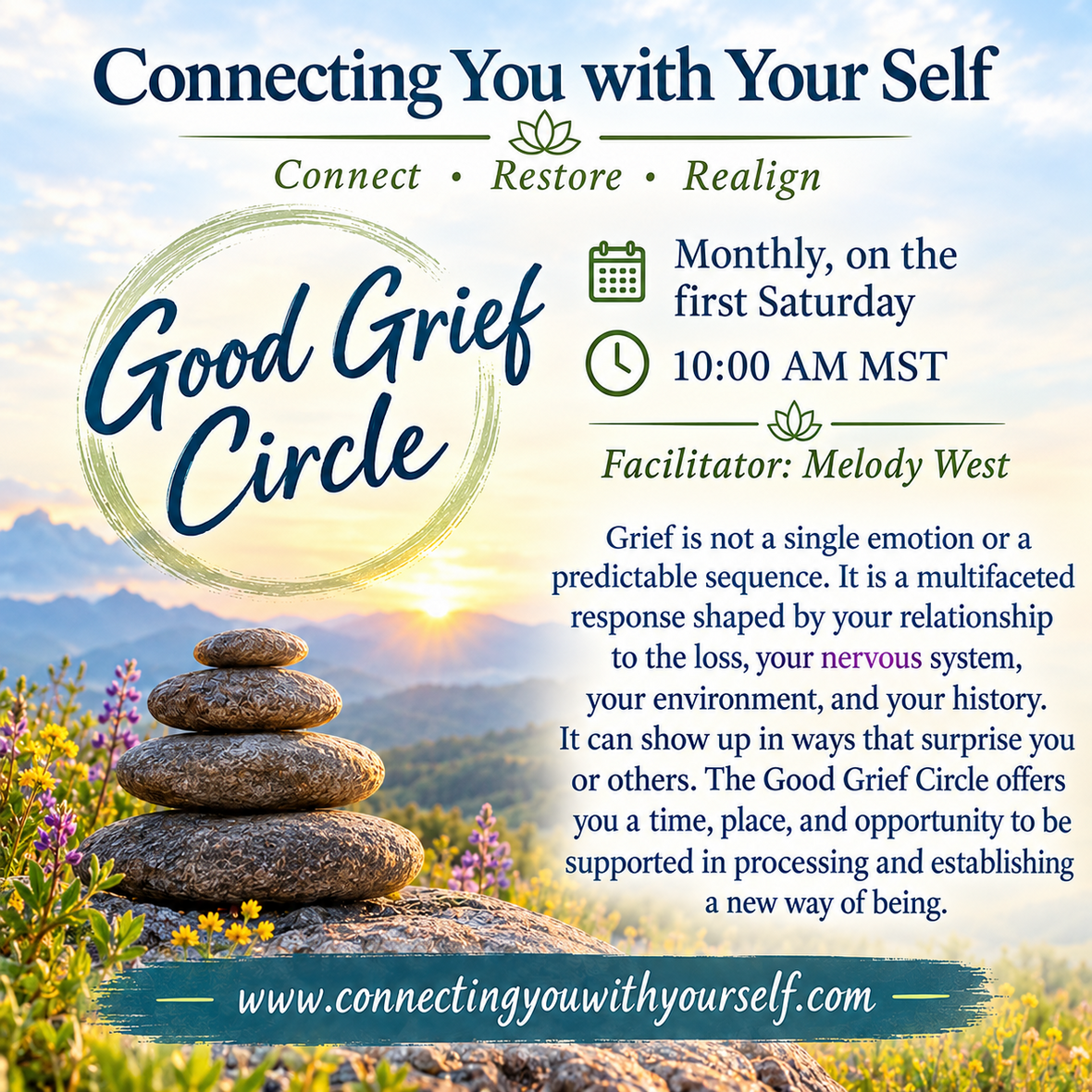
Good Grief Circle Flyer

Register by clicking here

The Good Grief Group

Sat, 11/7, 10:00 AM MST

Facilitator: Melody West,

Grief often includes a wide emotional spectrum:

▪ Sadness and longing — the most recognized form
▪ Anger — at circumstances, people, or the loss itself
▪ Guilt or regret — “I should have…” thoughts
▪ Anxiety or fear — shaken sense of safety
▪ Relief — common after long illness or difficult relationships
▪ Numbness — emotional shutdown as protection
▪ Sadness and longing — the most recognized form
▪ Anger — at circumstances, people, or the loss itself
▪ Guilt or regret — “I should have…” thoughts
▪ Anxiety or fear — shaken sense of safety
▪ Relief — common after long illness or difficult relationships
▪ Numbness — emotional shutdown as protection

Grief affects the body as much as the mind:

▪ Fatigue or exhaustion
▪ Chest tightness or heaviness
▪ Digestive changes
▪ Headaches
▪ Sleep disruption
▪ Restlessness or tension
▪ Fatigue or exhaustion
▪ Chest tightness or heaviness
▪ Digestive changes
▪ Headaches
▪ Sleep disruption
▪ Restlessness or tension

Grief can cloud thinking and concentration:

▪ Forgetfulness
▪ Difficulty focusing
▪ Mental fog
▪ Disorientation
▪ Forgetfulness
▪ Difficulty focusing
▪ Mental fog
▪ Disorientation

Loss can shake or reshape beliefs:

▪ Questioning meaning or faith
▪ Feeling disconnected
▪ Searching for purpose
▪ Questioning meaning or faith
▪ Feeling disconnected
▪ Searching for purpose

A Gentle Reflection:

Is there something you've been thinking about doing, but haven't quite committed to?

Tiny Self Care Tip:

Celebrate something you've accomplished recently. Not just the outcome, but the effort, commitment, and follow-through that got you there.

* Give yourself a little applause. You earned it!

▪ What would it take to say, “It’s my time”?
▪ What would it take to say, “It’s my time”?

Register here to receive the Zoom link.

Upcoming Events - Mark Your Calendars!

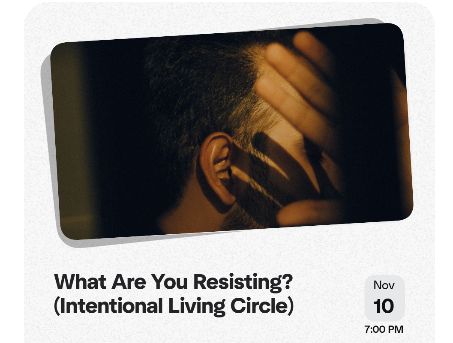
What are you resisting

RSVP on Meetup - Click Here

Intentional Living Circle

Tues, 11/10, 7-9 PM MST

What are you resisting?

What do you tend to push away, avoid, or resist? Using the Enneagram, we’ll explore the patterns behind our resistance and what might become possible when we meet what we resist with greater curiosity and openness.

Facilitated by Sophia Carmien, Essential Wholeness

More information at this link:

Join Online: RSVP on Meetup or contact Sophia at sophia@essentialwholeness.lifefor details.

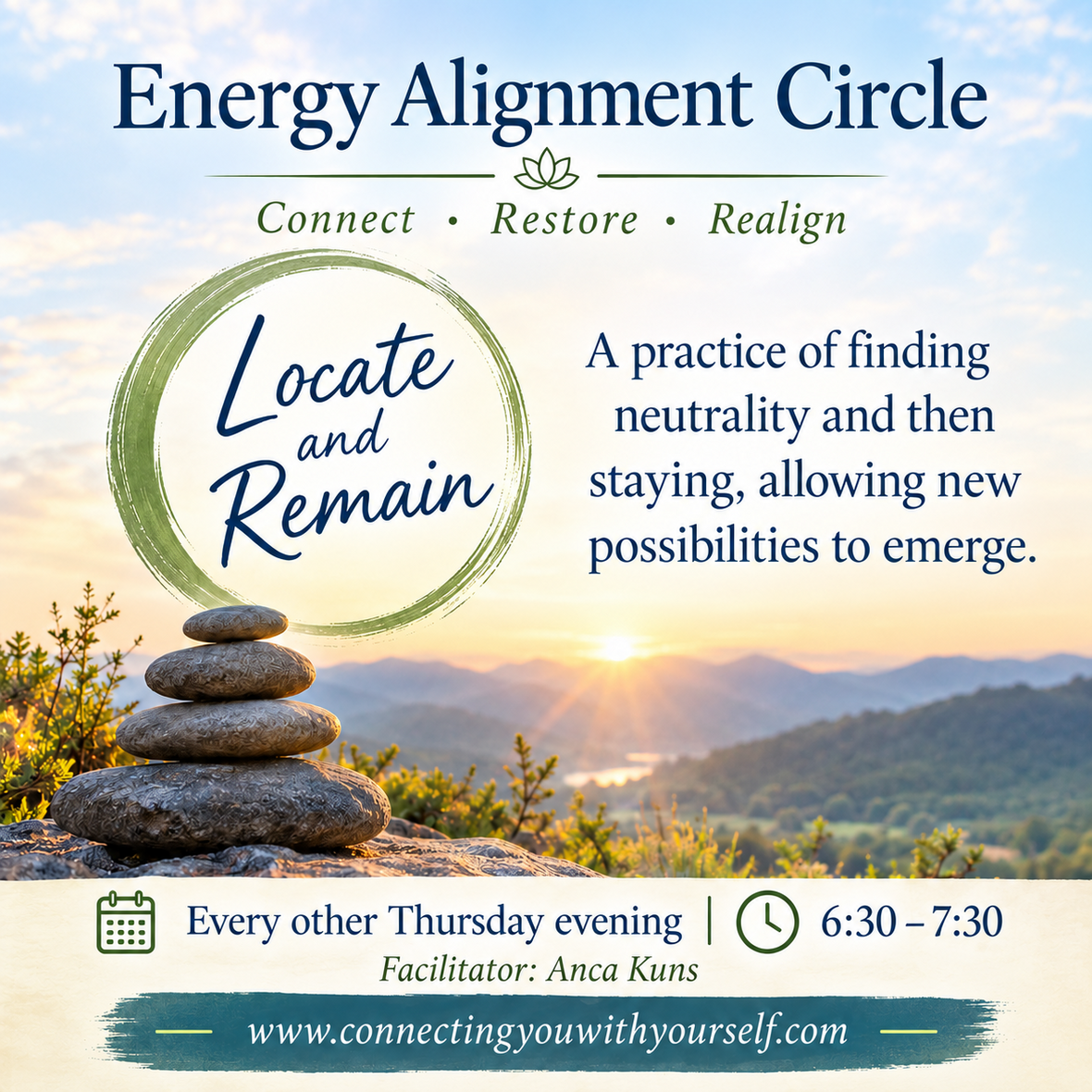
Energy Alignment Circle Flyer

RSVP on the CYWY Meetup

Alignment Practice

Topic: Locate and Remain

Hosted by Anca Kuns, Beyond Orion

Thurs, 11/12, 6:30 PM MST (1hr)

Here's what we're practicing:

LOCATE: Can I recognize what's here without immediately making it something to work on?

REMAIN: Can I let what's here continue to exist without needing to improve it?

RSVP on the CYWY Meetup

https://meet.google.com/iko-sbft-rap

Reach out with any questions to Anca at Beyond Orion.

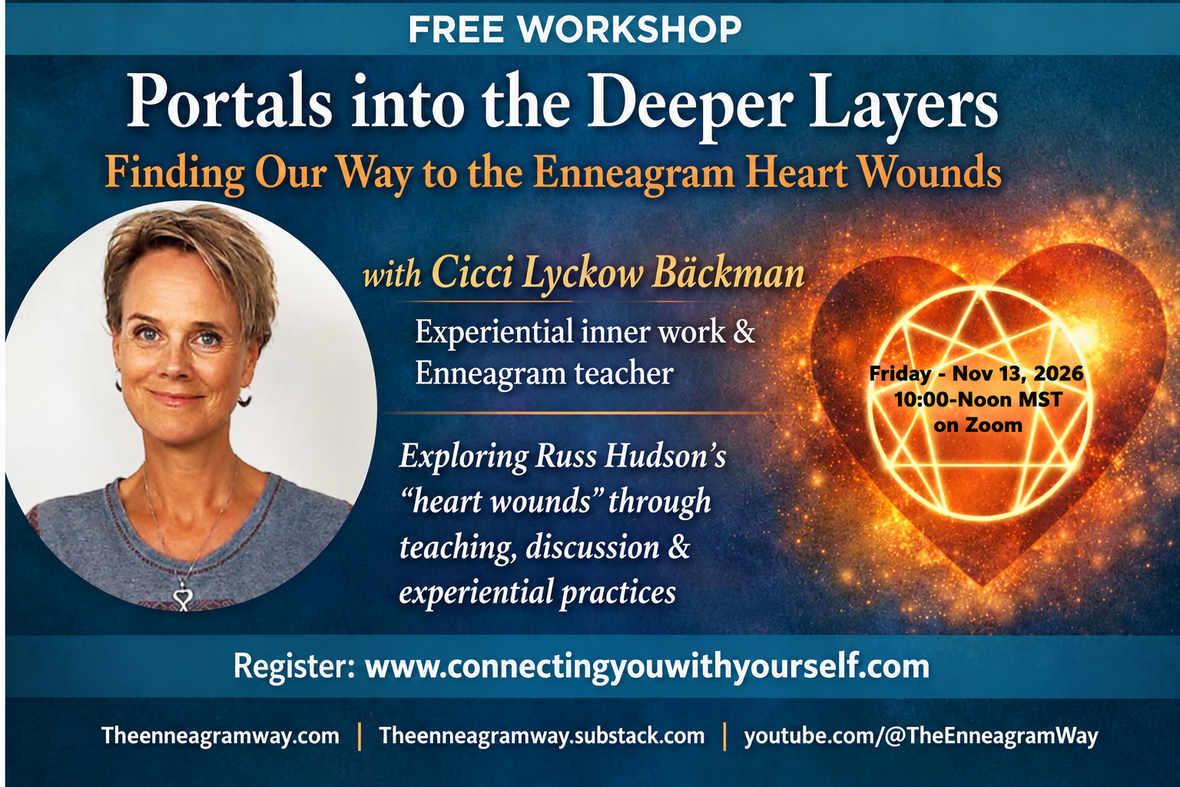
Cicci promo

Special CYWY Enneagram Event

Finding our way to the Enneagram heart wounds

Host: Nancy Markow

Presenter: Cicci Lyckow Bäckman — Enneagram Expert and author

Friday, 11/13 13⋅10–12:00 pm

Portals into the deeper layers | Finding our way to the Enneagram heart wounds

Anyone who’s been engaged in an inner growth practice has experienced it: something hitting a little too close to home, whereupon the ego either redirects our attention elsewhere or proceeds to ‘explore’ from a purely mental standpoint. In this workshop, we will explore how we can go deeper through direct experience without spooking the ego, with the ‘heart wounds’ described by Russ Hudson as our focus.

Through teaching, conversation, and exercises, we will look at ways to explore the heart wounds both directly and in a roundabout way which, surprisingly, gives us a more direct route to the experiential realm.

Bio: Cicci Lyckow Bäckman is a writer, teacher and facilitator of experiential inner work, with 25+ years of experience. Her work centres on reconnecting with the deeper self beneath personality, roles and self-image, drawing on the Enneagram, meditation, somatic awareness and emotional work to gently explore the things we take to be 'us'. She loves helping intermediate students and practitioners move beyond mere understanding into the direct experience of what lies beneath their patterns — where real change becomes possible.

Find Cicci on
* theenneagramway.com
* theenneagramway.substack.com
* Youtube.com/@TheEnneagramWay or schedule a free chemistry call!

ChatGPT Image Oct 5  2026  03 48 20 PM

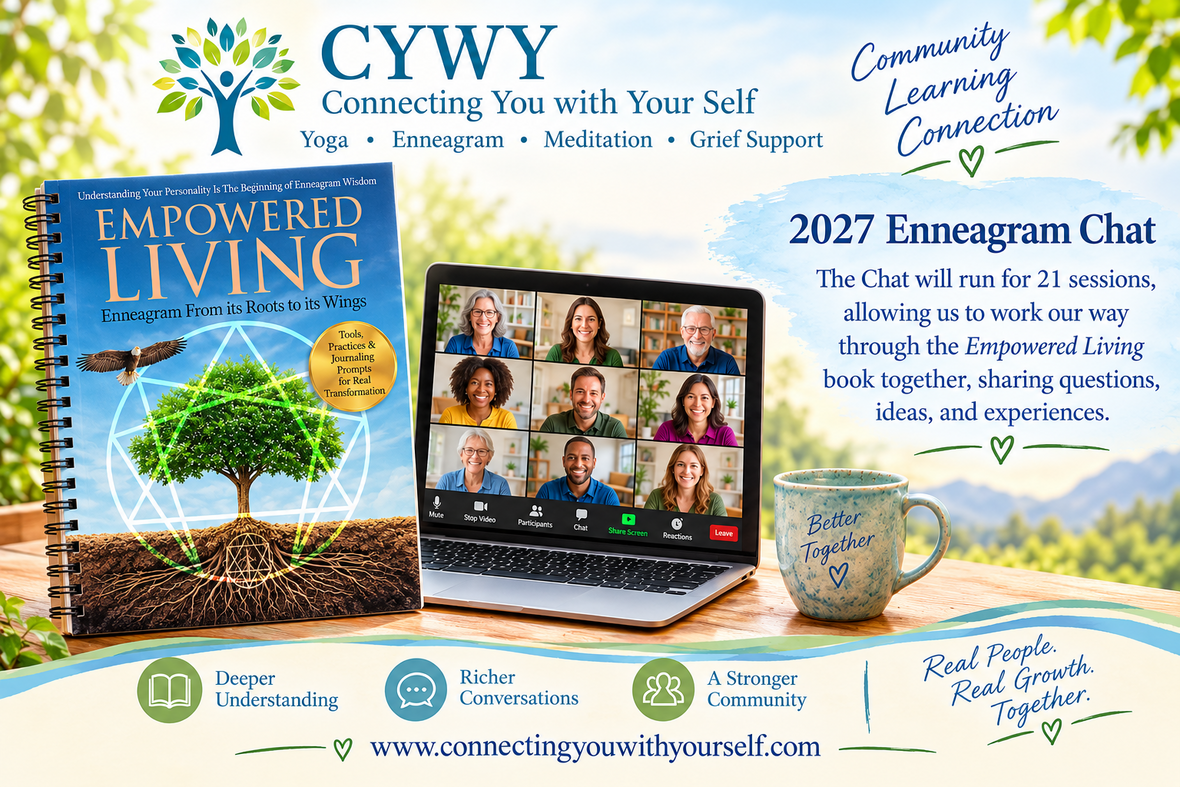
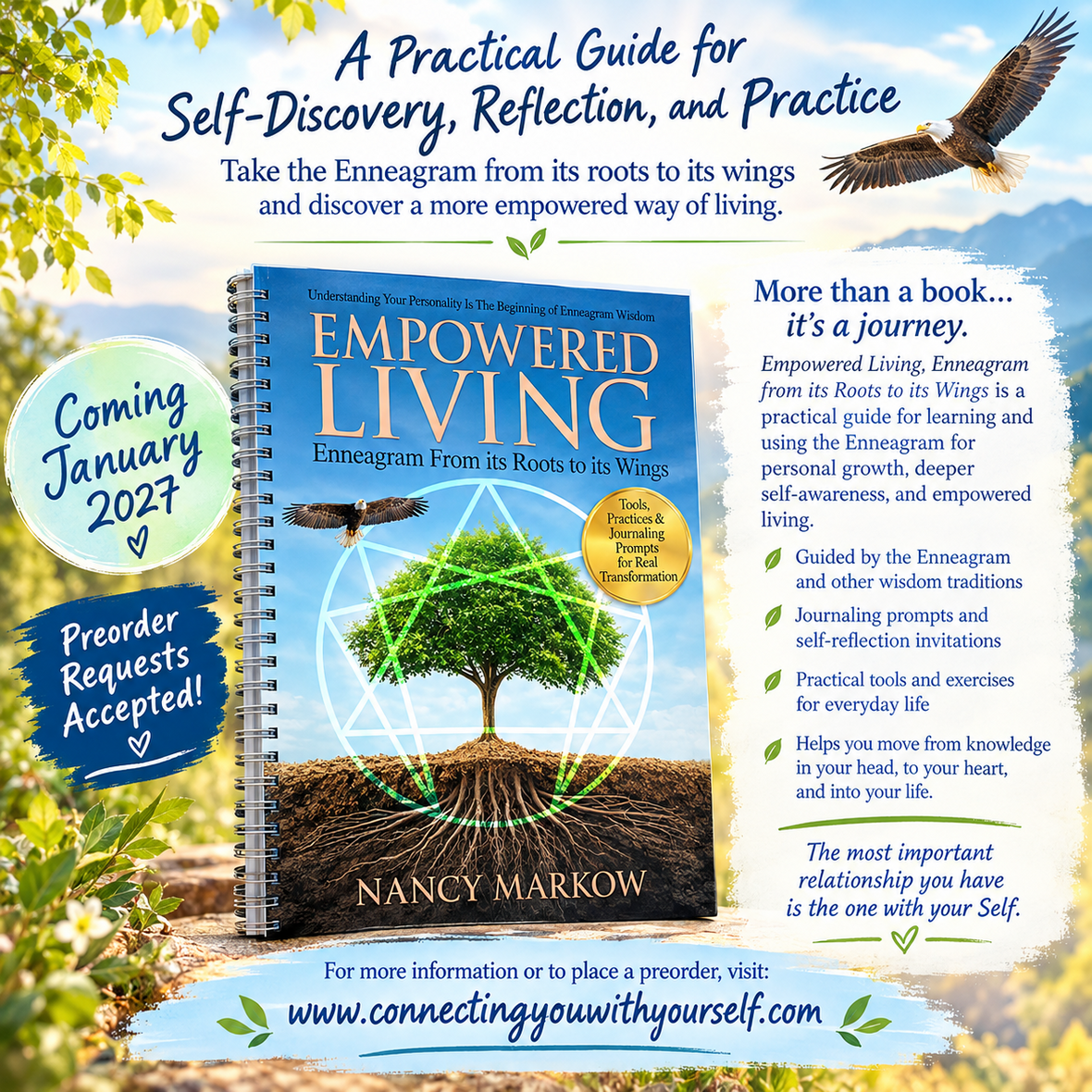
Reach out to sign up for the 2027 Chat

Enneagram Chat 2027

The next Enneagram Chat starts in February 2027.

The Chat will run for multiple sessions, allowing us to work our way through the Empowered Living book together, sharing questions, ideas, and experiences.

Read testimonials of those who have taken the journey on the website testimonial tab.

If you would like to be part of the 2027 Chat, please reach out and let me know.

discover-the-pagan-origins-of-halloween

Understanding the Origins of Halloween

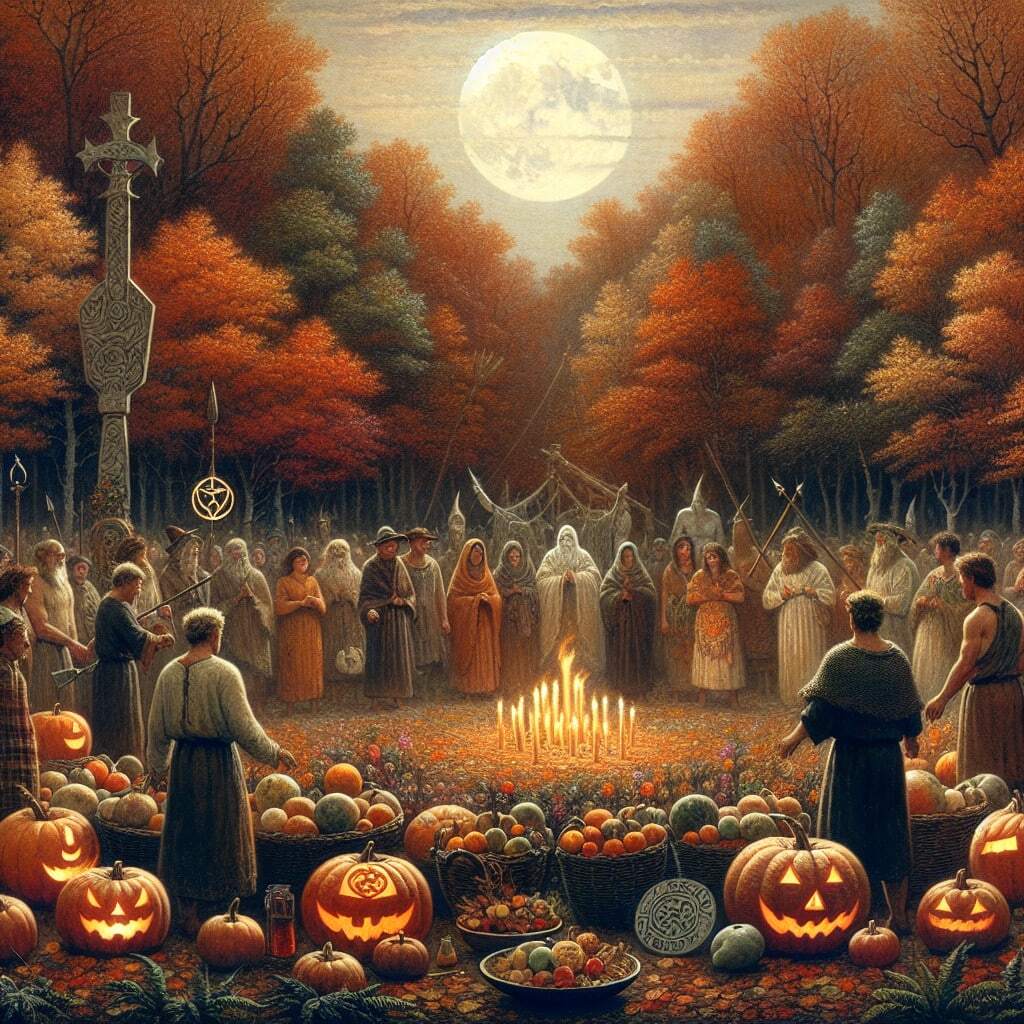
Samhain is the ancient Celtic pagan festival celebrated on October 31, which is the origin of many Halloween traditions.

Samhain (pronounced “sow-win”) is a Gaelic festival marking the end of the harvest season and the beginning of winter, often called the "darker half" of the year, celebrated from the evening of October 31 to November 1, marking the seasonal transition from light to dark.

Ancient Celts gathered for feasts, divination, and rituals to honor the dead and ensure survival through winter. It was considered a liminal time when the boundary between the living world and the Otherworld was thin, allowing spirits and fairies (aos sí) to interact with humans.

People lit bonfires to invoke unity, protection and cleansing. They offered food and drink to spirits, and set a place at the table for deceased kin. Mumming and guising—going door-to-door in costume—were early forms of what evolved into modern trick-or-treating.
Later, All Hallows’ Eve developed as a Christian observance preceding All Saints’ Day on November 1 was created to unite pagans with early Christianity.

Irish and Scottish immigrants brought these practices to North America in the 19th century, where they evolved into the modern Halloween celebrations with pumpkin carving, trick-or-treating, and festive costumes.

Today, many pagans and Wiccans celebrate Samhain as part of the Wheel of the Year, honoring ancestors, nature, and the turning of the year.

How will you celebrate Halloween this year?

Promo
Screenshot 2025-04-08 174656